Acne & Pimple Treatment in Agra: A Dermatologist’s Guide
Do you remember how frustrating it was when you had a big event like: a wedding, an interview, or a family gathering and a painful, red pimple showed up on your face? We’ve all been through this. For a lot of people who live in Agra, acne isn’t just a pain in the neck; it’s a constant battle against blackheads, whiteheads, and stubborn cysts that makes them feel bad about themselves. When these breakouts start to hurt not just our skin but also our self-esteem, it’s important to find a good acne treatment in Agra.
You may have tried a lot of face washes, creams, and home remedies, but they only worked for a short time or not at all. The truth is that you can do a lot more to treat acne than just buy something at the store. You need to know a lot about your skin type, the things in your area that can make it worse, and the right medical treatment.
This guide is meant to be the best place for you to learn about and treat acne in Agra. We’ll talk about why acne is so common in our city, help you figure out what kind of acne you have, and show you the science-based treatments that qualified dermatologists in Agra are using to help people get clear, healthy skin.
Why do so many people in Agra have acne? Understanding What Causes Problems in the Area
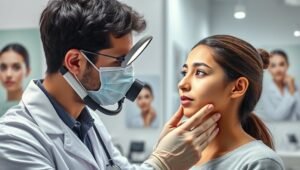
A dermatologist or skin specialist doctor in Agra will tell you that the environment in our city has a big effect on the health of your skin. There are a number of things in your area that can make acne better or worse:
- High Humidity: The high humidity in Agra, especially during the monsoon season, makes the skin produce more oil (sebum). This extra oil can easily block pores, which is where bacteria that cause acne can grow.
- Air Pollution: The air in Agra has tiny particles and other harmful substances that can land on the skin and cause inflammation, oxidative stress, and clogged pores.
- Hard Water: The high mineral content in our water can strip the skin’s natural moisture barrier, which can make it dry and irritated. In this case, the skin may make even more oil to make up for it.
- Diet: Eating a lot of high-glycemic foods (like sweets and refined flour) and dairy products can cause hormonal and inflammatory acne in people who are prone to it.
It’s Not Just “Pimples”: How to Tell What Kind of Acne You Have
You need to know what kind of acne you have before you can treat it. First, a dermatologist will figure out what kind of lesions you have.
Acne that isn’t inflamed (clogged pores)
-
- This is the simplest type of acne: comedones. Blackheads are open comedones, which means that the pore is open to the air. Whiteheads are closed comedones, which means the pore is closed.
Painful and bacterial inflammatory Acne
-
- Papules: Papules are small, red bumps that don’t have a head.
- Pustules: What most people call “pimples.” They are papules with a pus-filled white or yellow center.
- Nodules and Cysts: This is the worst kind of acne. These are big, hard, painful lumps that are deep in the skin. Cystic acne is very likely to leave scars, and almost always needs to be treated by a dermatologist.
[Image: A simple infographic showing the different types of acne lesions.]
Agra’s Best Dermatologists Offer Professional Acne Treatments
This is where getting help from an expert makes a big difference. A skin doctor in Agra has a lot of treatments that work well, and they are more than just washing your face.
Topical Treatments of Medical Quality
-
- Retinoids (Tretinoin, Adapalene): These are the most important medicines for treating acne. They are Vitamin A derivatives that speed up the process by which skin cells die and new ones are made, which “unclogs” pores from the inside out. They also help reduce swelling.
- Benzoyl Peroxide: A strong chemical that kills the bacteria (P. acnes) that cause acne on the skin.
- Topical Antibiotics (Clindamycin): Topical antibiotics like clindamycin are used to kill bacteria and reduce inflammation in inflammatory acne.
Oral Medications for Acne That Is Moderate to Severe
-
- Oral Antibiotics (Doxycycline, Minocycline): Oral antibiotics like doxycycline and minocycline are given for a short time to kill bacteria and lower severe inflammation from the inside.
- Isotretinoin: Isotretinoin is a very effective oral retinoid for severe, cystic, or scar-forming acne that hasn’t gotten better with other treatments. Because of its possible side effects, this is a strong drug that should only be taken under the close watch of a qualified dermatologist.
In-Clinic Treatments for Quicker Results and Scar Avoidance
-
- Chemical Peels: A dermatologist will use Salicylic Acid or Glycolic Acid to deeply clean the skin. This helps clear up clogged pores, make skin less oily, fade dark spots left by old pimples, and make skin feel better overall.
- Intralesional Injections: If you have a big, painful cyst that hurts a lot (like one that shows up before a big event), a doctor can inject a diluted corticosteroid right into it. This will quickly reduce inflammation and pain within 24 to 48 hours.
Finding The Right Acne Treatment Expert in Agra is The Most Important Step.
It’s helpful to know about the treatments, but self-medicating can be dangerous and often doesn’t work. A qualified expert should always give you a correct diagnosis and a treatment plan that is right for you. This is the first and most important step for acne treatment agra.
To find a verified specialist who can provide these advanced treatments and guide you on your journey to clear skin, please see our comprehensive guide to the best skin doctor in Agra