A Guide to Sports Injury Treatment By Best Doctor in Agra: Getting Back in the Game
An injury can stop you from doing the things you love, like playing cricket on the weekends, going to the gym every day, or running in the morning. One wrong step, one awkward twist, or just the result of pushing a little too hard, and you’re left with pain, frustration, and a lot of questions.
When you hurt yourself while playing sports, it’s not just about getting rid of the pain. It’s also about getting back to the things you love in a safe, strong, and timely way. A “wait and see” approach can often make things worse or make you more likely to get hurt again.
This guide is for people in Agra who are active. We will talk about the most common sports injuries, the most important things to do right away, and how a sports injury doctor in Agra can give you an accurate diagnosis and a good treatment plan to help you get better.
Common Sports Injuries Seen in Clinics in Agra
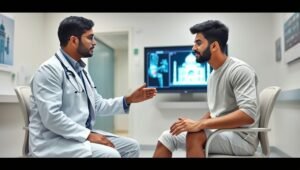
Any kind of injury is possible, but orthopedic doctors in Agra often see a few common ones:
- Sprains of The Ankle: very common in sports that involve running and jumping, like cricket and football.
- Knee Ligament Tears (ACL Tears): Knee ligament tears, also known as ACL tears, are a serious injury that can happen when you suddenly stop or change direction, making your knee unstable.
- Meniscus Tears: Meniscus tears happen when the knee’s shock-absorbing cartilage gets hurt, usually from a strong twist.
- Shoulder Dislocations: Shoulder dislocations happen when the upper arm bone comes out of the shoulder socket.
- Tennis Elbow: Tennis elbow is pain on the outside of the elbow that happens when you use it too much, like when you play racquet sports or lift weights.
The P.R.I.C.E. Principle for Immediate First Aid
What you do in the first 48 hours after getting hurt is very important. Most experts say to follow the P.R.I.C.E. protocol:
- Protection: Keep the hurt area from getting worse.
- Rest: Stop what you’re doing right away. Your body needs time to get better.
- Ice: To help with pain and swelling, put an ice pack (wrapped in a towel) on the area for 15 to 20 minutes every 2 to 3 hours.
- Compression: Use an elastic bandage to lightly wrap the hurt area to help keep the swelling down.
- Elevation: To help reduce swelling, keep the injured limb above the level of your heart.
When to See a Sports Injury Doctor?
If you have any of the following, it’s time to see a doctor:
- You heard a “pop” or “snap” when you got hurt.
- The pain is so bad that you can’t put weight on the limb.
- The joint feels weak or like it’s “giving way.”
- There is a lot of swelling that doesn’t get better with ice and rest.
A sports medicine doctor will do a full physical exam and may order an X-ray to rule out a broken bone or an MRI to see the soft tissues, such as ligaments and cartilage, more clearly.
Modern Treatments to Help You Heal Faster
The goal is always to get you back to the level of activity you had before the injury.
- Physiotherapy: For almost all sports injuries, a personalized rehabilitation plan is the most important part of getting better.
- Arthroscopic Surgery: A surgeon can fix ACL or meniscus tears with minimally invasive “keyhole” surgery. This means less pain and a much faster recovery than regular open surgery.
Don’t Let an Injury Keep You From Playing.
To keep a small problem from turning into a big one, you need to get the right diagnosis and a structured recovery plan.
To consult an expert who understands the unique demands of an active lifestyle and specializes in sports medicine, please explore the specialists listed in our [comprehensive guide to the best orthopedic doctors in Agra].